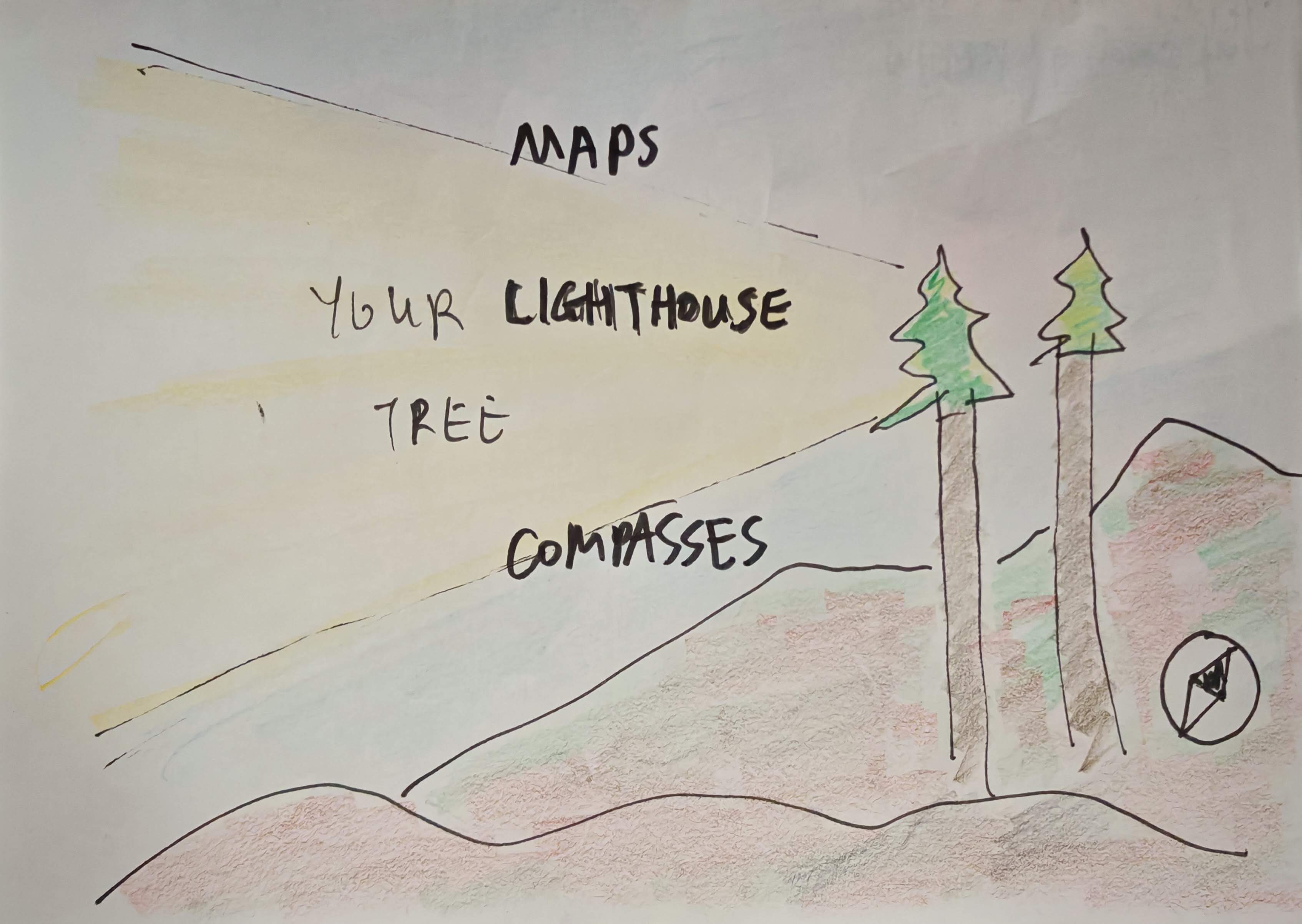
Jérôme Bourgeon recently offered a simple image that has stayed with us:
“For me, compasses go with maps and lighthouses. Sometimes the lighthouse is clear enough to give direction. When the weather is blurry or bad, the compass also comes into action.”
It gave another way to understand a question we have been carrying for some time:
What kinds of learning communities do we need for the times ahead?
When the destination is visible, perhaps a lighthouse is enough.
When the terrain is familiar, a map may help us find our way.
But when the weather changes, the path disappears or the available maps no longer describe the world around us, we need something else.
We need the ability to orient ourselves.
We need to notice what is happening within us, between us and around us.
And we need people with whom we can learn how to move.
The early experiments
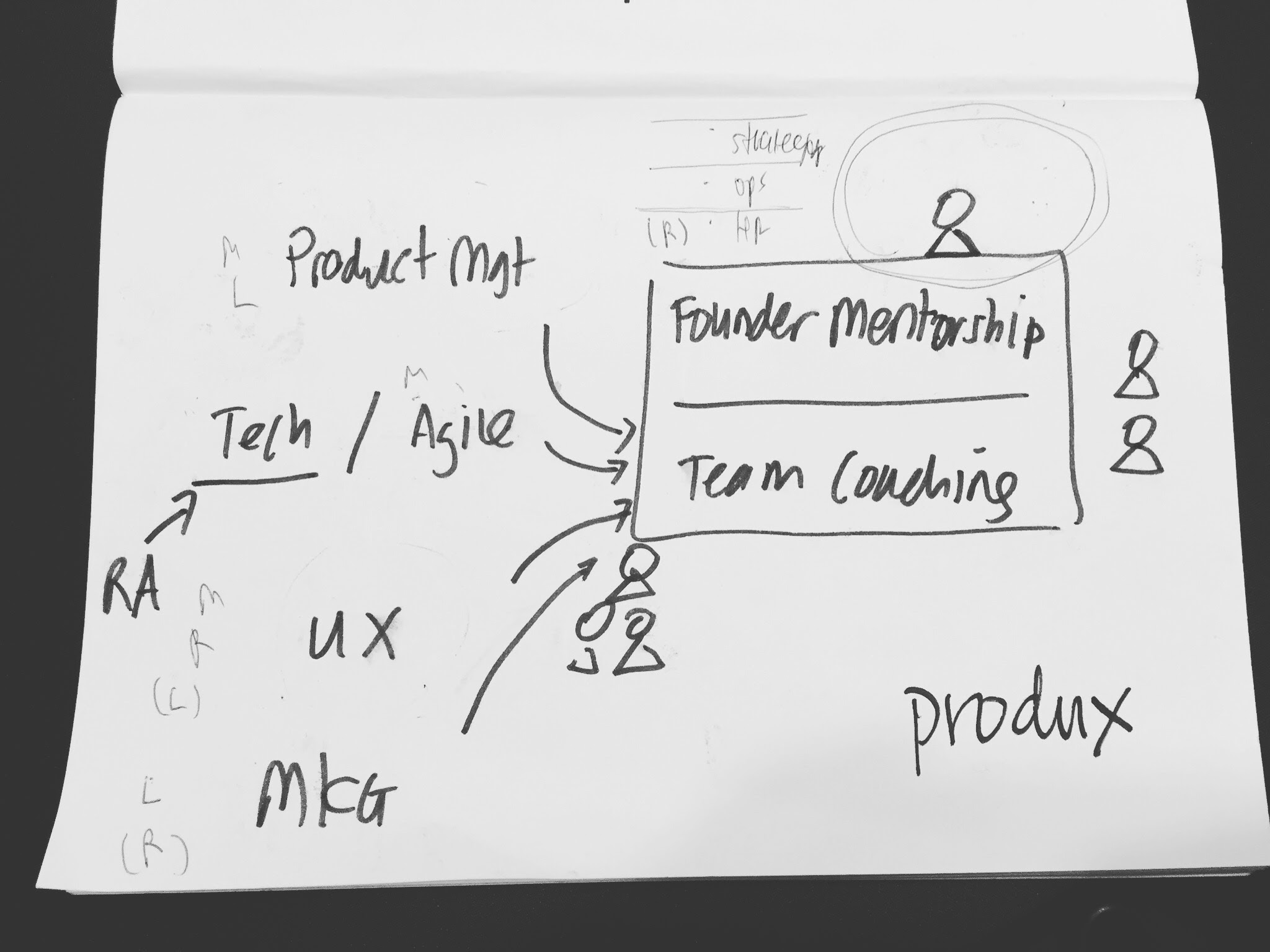
When The Collab Folks was named in 2015, we were experimenting with a blend of Agile, User Experience and Product practices.
At the time, the questions were practical:
- Could founder coaching help someone navigate the uncertainties of building a company?
- Could a team learning programme help people improve the way they work together?
- Could learning happen alongside real work rather than being separated from it?
The early language was Agile, UX and Product. But underneath those practices was a deeper interest: how people learn together, how capability develops and how organisations become places where learning can continue without always depending on an external expert.
Some principles began to form:
Show, not tell.
Bridge, rather than ferry.
Treat everyone with respect.
Recognise that everyone has potential, even when they do not fit neatly into a model or framework.
Do the right work—and be prepared to walk away when the conditions for meaningful learning are not present.
These principles were not created in a single workshop. They emerged through practice, mistakes, conversations and repeated attempts to understand what actually helped people grow.
The Learning Circles
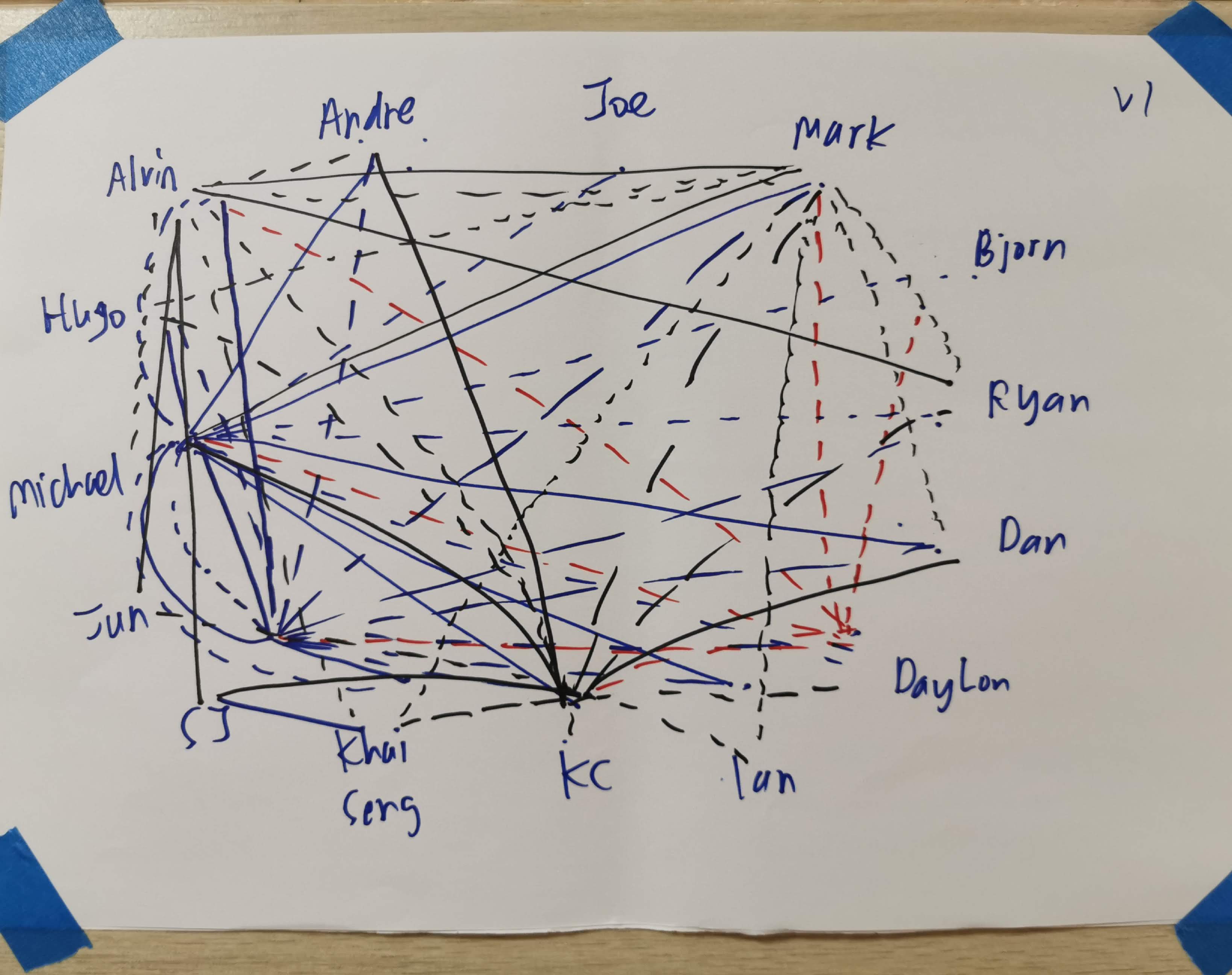
In 2017, we began experimenting with The Collab Folks Learning Circle, or TLC.
TLC was partly a response to a limitation we had begun to notice in conventional professional development.
Too often, one person was expected to hold the expertise, design the learning, deliver the content and provide the answers. Everyone else became a recipient.
But what might happen if practitioners learnt by contributing to one another?
What if facilitation itself became part of the learning?
What if people were invited not only to attend a programme, but also to help shape and sustain it?
TLC went through several iterations: TLC 1.0 in 2017, TLC 2.0 in 2018, TLC 3.0 in 2019, a pause during the disruption of 2020, and later experiments with TLC 4.0 and TLC 5.0. Different people entered and left. Some initiatives continued; others never moved beyond the sketching stage.
The value was not that we discovered a perfect structure.
The value was that we learnt to treat the structure itself as something alive.
A learning community requires enough structure for people to feel held—but enough freedom for contribution, experimentation and emergent leadership.
That tension remains central to my work today.
Learning containers inside organisations
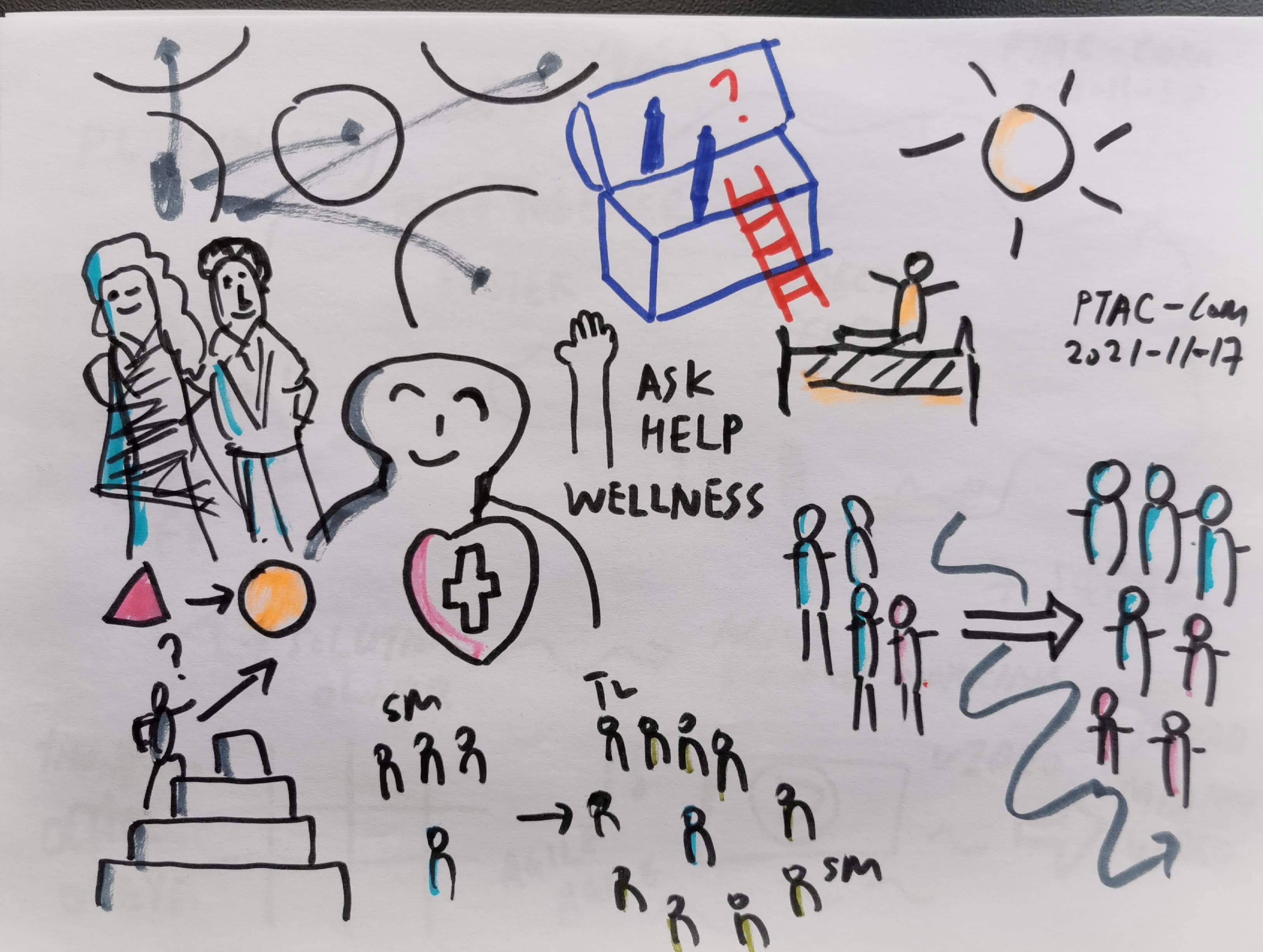
The Learning Circles also influenced how we approached capability development inside larger organisations.
In Pru Train a Coach, or PTAC, internal facilitators and coaches developed through practice, reflection and mutual support. The intention was not simply to transfer a set of methods. It was to help people build the judgement, confidence and relational capacity to work with complex situations themselves.
One participant later described the experience as strengthening decision-making, team alignment and confidence in tackling difficult challenges. She noted that the impact came not from being given answers, but from developing the tools to think critically and lead more effectively.
This distinction matters.
A training course can transfer knowledge.
A learning container creates conditions in which people can practise, receive feedback, make meaning together and gradually become less dependent on the people who first convened the space.
That is a very different measure of success.
Product Tonic Lab
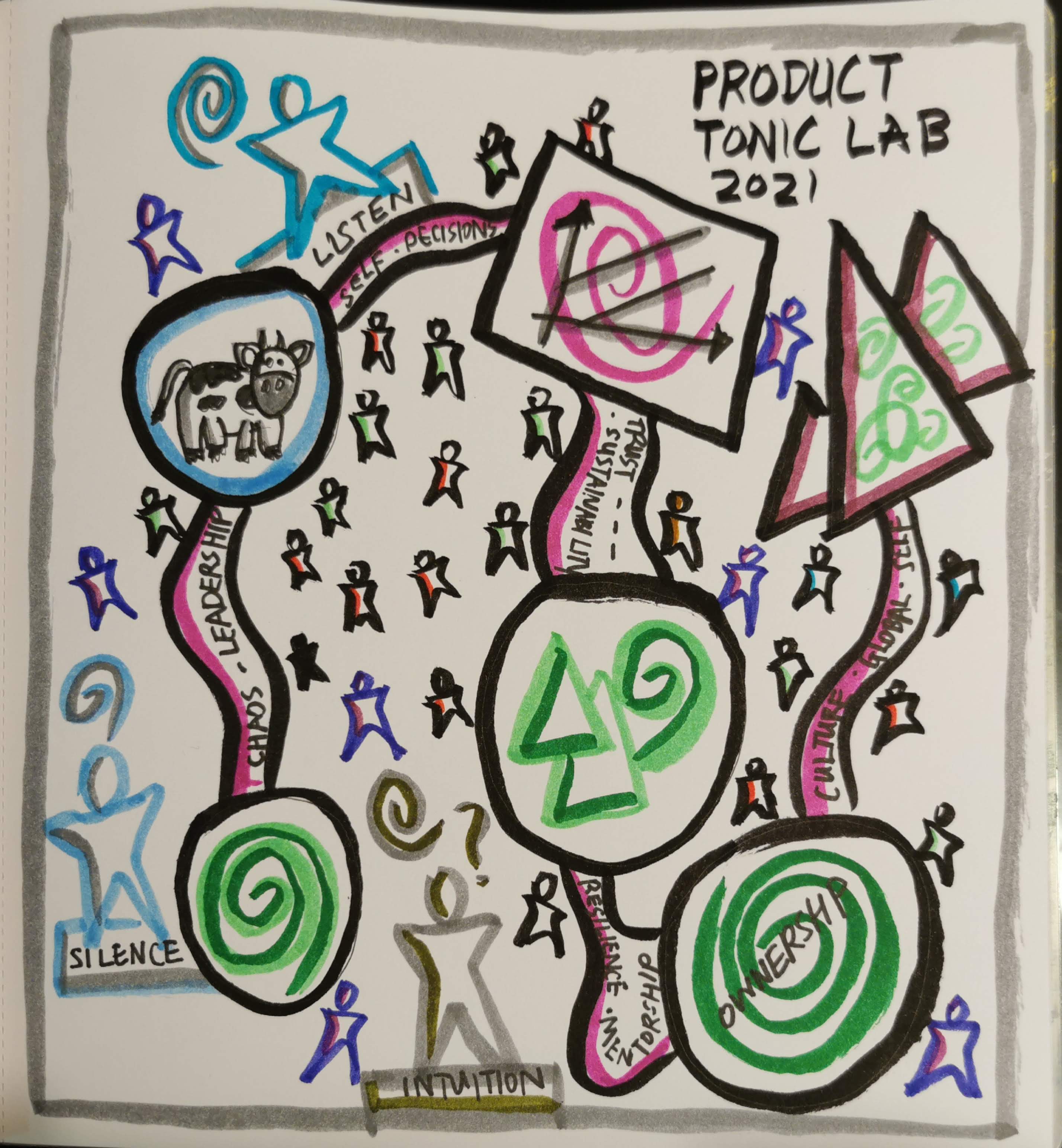
In 2021, many of these ideas converged in the Product Tonic Lab.
PTL brought product practitioners from across Asia into a prolonged community learning journey. Participants learnt through peer facilitation, mentoring, small-group work, reflection and the experience of designing learning for one another.
It was not a classroom stretched across several months.
It was an attempt to create a temporary learning community.
Participants were given freedom to explore subjects they cared about, while working within structures that supported collaboration and accountability. They were invited to move between learning, teaching, facilitating, mentoring and practising.
Reflections from participants describe PTL as intentionally designed but not teacher-centred: a space that balanced structure and self-direction, challenge and support, practical capability and deeper personal development.
This taught us that learning communities do not need to choose between technical development and human development.
People can learn product strategy, facilitation, collaboration and decision-making while also becoming more aware of how they listen, respond, hold uncertainty and affect the people around them.
The work is not only about becoming better at a role.
It is also about becoming more capable of meeting the moment.
Product Thinking for Organisations
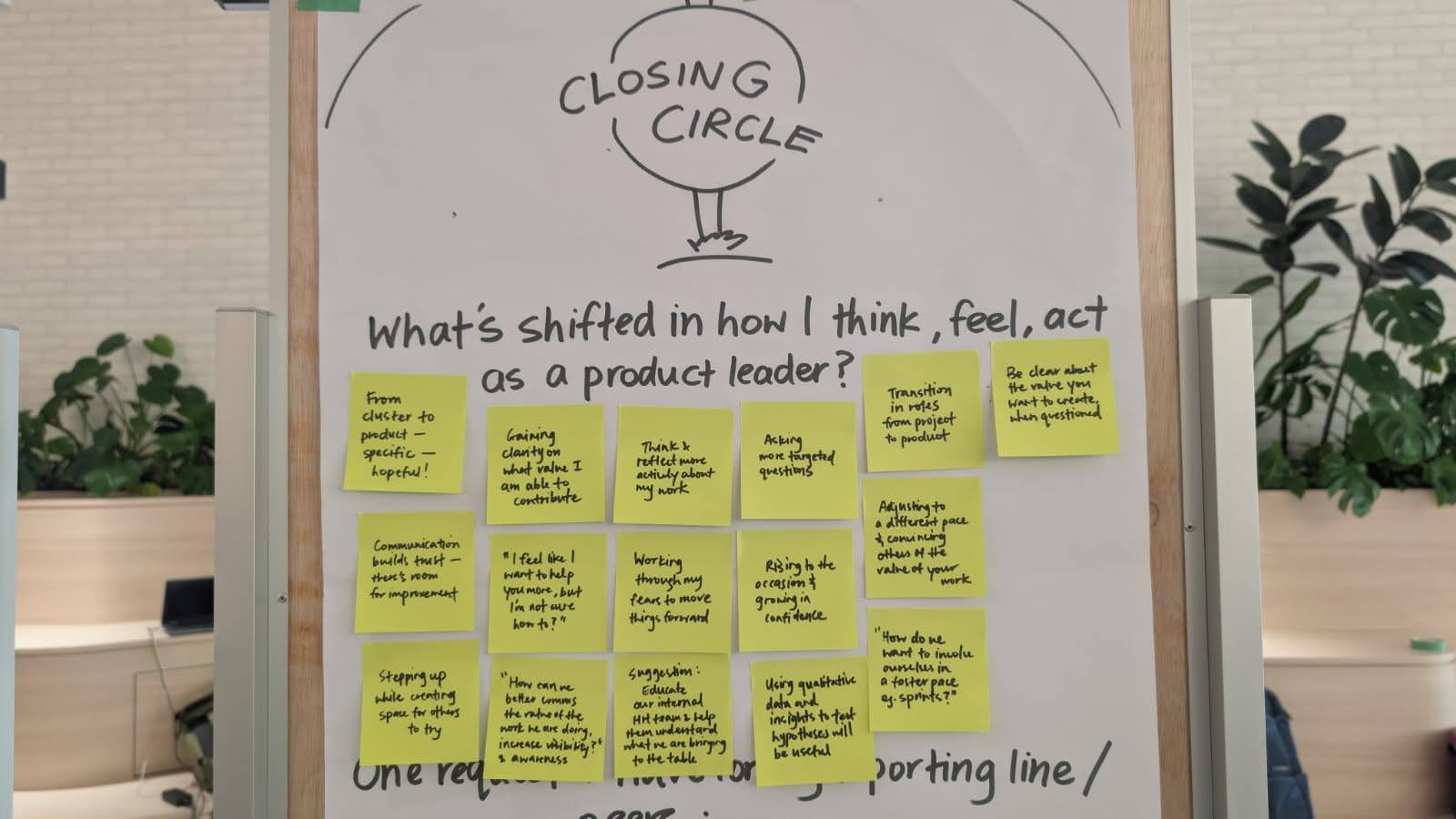
The more recent Product Thinking for Organisations work carries this lineage into organisational settings.
The programme uses opening and closing retreats, learn-and-teach meetups, individual conversations, experiential learning and ongoing reflection. It combines product capability with self-leadership, feedback, Circle Way, Theory U and attention to each person’s learning edge.
This has reinforced something we have gradually come to believe:
Learning is not an event placed into an organisation.
It is a relationship between people, purpose, practice and context.
The real questions are not only:
- What knowledge should we teach?
- What skills are currently missing?
They are also:
- What is this system asking people to become capable of?
- What conditions allow them to practise that capability?
- What is emerging that we cannot yet fully name?
- And what must the organisation learn—not just the individuals within it?
Learning from the emerging future

Theory U gave the language for listening beyond what has already happened.
Instead of creating only from past experience, we can slow down, sense the present system and listen for what may be trying to emerge.
Our ongoing iGOLD journey has added another dimension: greater attention to the field, embodied awareness, relationship and the facilitator’s use of self.
The person holding a learning space is not outside the system.
We affect the space through our presence, assumptions, interventions and absences.
We therefore need more than good programme design. We need awareness of how we participate in the conditions we are trying to change.
This is one reason we are increasingly drawn to the image of a compass.
Three emerging compasses
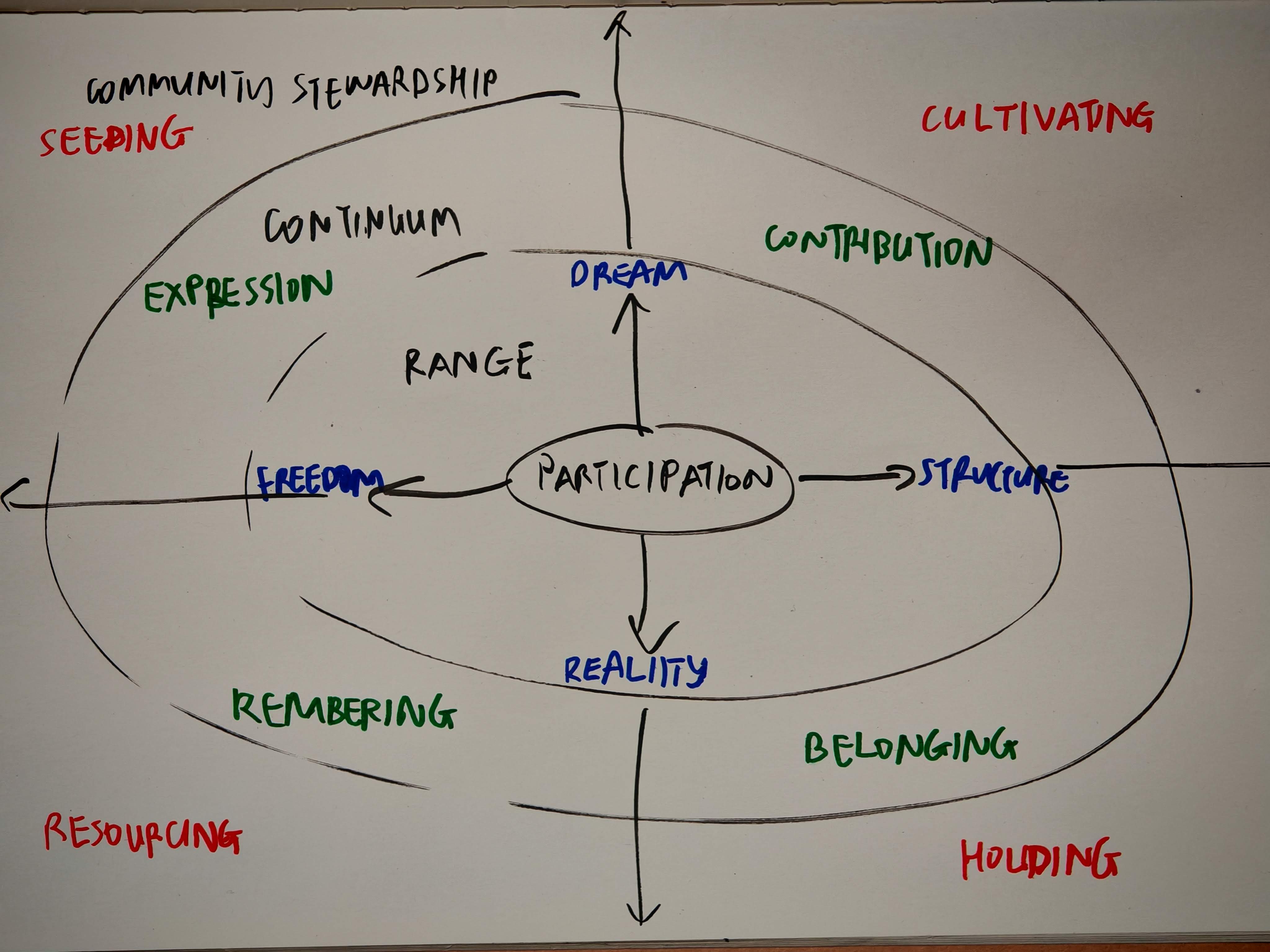
Over the past year, three connected compasses have begun to take shape.
The Range Compass asks how we expand our capacity to move between:
Dream ↔ Reality
Freedom ↔ Structure
The aim is not to remain permanently visionary, practical, free or structured. It is to notice where the moment calls us to move.
The waters surrounding the compass include our fears, expectations, assumptions, defensive stances and survival rules. These are not simply one direction on the compass. They influence how we interpret every direction.
The compass helps us navigate those waters with greater awareness and choice.
The Continuum Compass widens the timeframe.
It asks us to consider what we have inherited, what we are participating in now and what we may pass to people we will never meet.
Learning is not only personal progress. It sits within longer continuities of relationship, community, history and life.
The Community Stewardship Compass turns our attention towards how communities are sustained.
How do we move between contribution and stewardship?
How do trust, resources, care, power and responsibility move through a community?
How do we create sufficient structure without taking ownership away from the people who make the community alive?
These compasses are still evolving. They are not intended as definitive maps.
Perhaps they are ways of staying oriented while we collectively draw the map.
Towards Weaving Futures
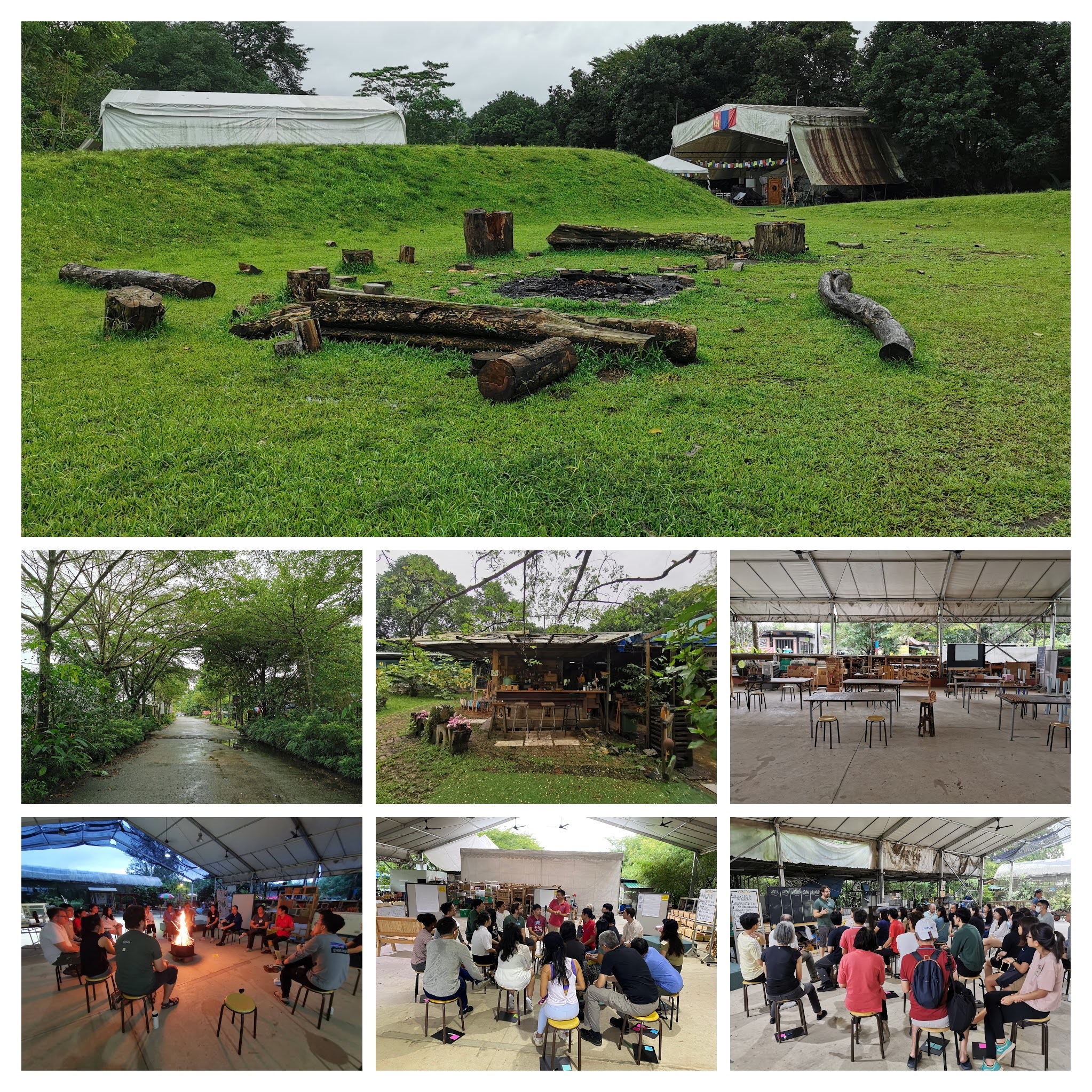
This brings us to Weaving Futures.
We do not see Weaving Futures as an entirely new initiative.
We see it as another step in a journey stretching through The Learning Circles, PTAC, Product Tonic Lab, Product Thinking for Organisations, Theory U, Open Space, Satir and iGOLD.
Each has been a different kind of learning container.
Each has taught us something about freedom and structure, individual development and collective practice, facilitation and stewardship.
Weaving Futures asks what becomes possible when these practices meet across different generations, sectors and communities.
It begins not with the assumption that we already know what people must learn.
It begins with an invitation to sense the waters together.
To bring the maps we already have.
To notice the lighthouses that still offer direction.
To develop compasses for moments when certainty disappears.
And perhaps, through shared practice, to create the kinds of learning communities that the times ahead are asking of us.
This is the beginning of a public conversation.
What have the learning communities you belonged to made possible for you?
What did they ask you to contribute?
And what kinds of learning communities do you believe we need now?
This article begins a series of reflections leading towards Weaving Futures, a public practice space bringing together people interested in learning, facilitation, community and change. We will share more about the gathering and the learning labs over the weeks ahead.
🍂 Weaving Futures Launch Gathering
17–18 October 2026
Ground-Up Initiative (GUI), SingaporeLearn more at https://luma.com/weaving-futures-2026

